Mastering Hand Decorating a Three-tier Wedding Cake
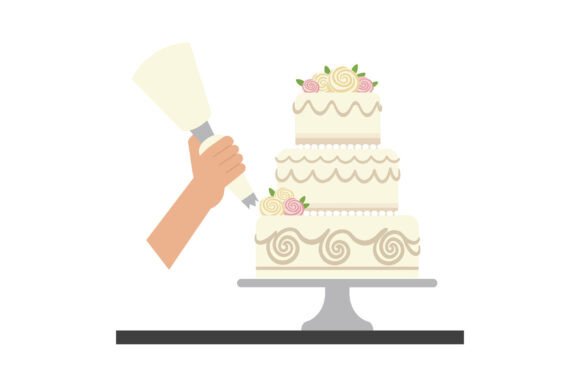
The sight of a hand decorating a three-tier wedding cake is more than just a culinary process; it is a performance of patience and artistic precision. When you watch a hand skillfully pipe decorative icing onto a three-tier cake adorned with delicate flowers, you are witnessing the culmination of hours of practice, structural planning, and creative vision. For many, this image represents the pinnacle of baking craftsmanship. Whether you are a professional baker looking to refine your portfolio or a hobbyist eager to tackle a ambitious project for a loved one, understanding the nuances of this art form is essential.
This guide explores the practical aspects of creating these stunning centerpieces. We will delve into why this specific style remains timeless, how digital resources can aid your physical crafting, and what you need to consider before you pick up your piping bag.
The Artistry Behind the Layers
Decorating a multi-tiered cake requires a different mindset than working on a single-layer sponge. The scale changes everything. When you are hand decorating a three-tier wedding cake, you must think vertically. Each tier supports not just its own weight, but the aesthetic balance of the entire structure. The visual appeal lies in the harmony between the tiers. A common mistake beginners make is treating each layer as a separate entity. Instead, successful decorators view the cake as a single canvas that happens to have steps.
The description of a hand skillfully piping decorative icing highlights the human element that machines cannot replicate. While printed edible images are convenient, they lack the depth and texture of real buttercream or royal icing. The slight imperfections in hand-piped flowers add character and warmth, making the cake feel personal and bespoke. This craftsmanship is what clients pay for and what guests remember. It showcases creativity in real-time, turning sugar and fat into something resembling fine art.
Why Digital Assets Matter for Physical Crafts
You might wonder why a guide on physical cake decorating mentions file formats like SVG, EPS, JPG, and PNG. In modern baking, especially for those running small businesses or creating content, digital and physical worlds collide. The downloadable ZIP including SVG, EPS, JPG, and PNG files serves as a crucial toolkit for the contemporary decorator.
- SVG and EPS files: These vector formats are invaluable if you use cutting machines to create cake toppers, stencils, or intricate fondant shapes. You can scale these designs to fit any of the three tiers perfectly without losing quality.
- JPG and PNG files: These are essential for marketing. High-resolution images of your finished work allow you to build a professional portfolio, share progress on social media, and create instructional guides.
By integrating these digital assets, you streamline your workflow. You can design a floral pattern digitally, print it as a reference guide, or cut out precise templates to ensure your hand-piped icing follows a consistent theme. This hybrid approach bridges the gap between traditional skills and modern efficiency.
Practical Applications and Use Cases
Who benefits from mastering how to hand decorate a three-tier wedding cake? The applications extend far beyond the wedding day itself.
For Professional Bakers and Entrepreneurs
If you run a home bakery or a boutique cake shop, offering hand-decorated tiered cakes sets you apart from competitors who rely solely on fondant draping or printed images. It allows you to charge a premium for your labor and skill. You can offer customization options, such as matching the piped flowers to the bride’s bouquet, which adds significant value to your service.
For Educators and Content Creators
Educators teaching culinary arts can use the process of decorating a three-tier cake to teach fundamental skills: consistency in icing, pressure control in piping bags, and structural integrity. Meanwhile, bloggers and marketers can use the high-quality JPG and PNG files from the resource pack to create engaging tutorials. Showing the "before and after" or the step-by-step piping process generates high engagement on platforms like Instagram and Pinterest.
For Hobbyists and Special Occasions
Not every three-tier cake is for a wedding. Anniversary celebrations, milestone birthdays, and elaborate holiday parties also call for grand desserts. Learning this skill empowers you to create memorable moments for family and friends. It transforms a simple dessert into a conversation piece.
Key Considerations Before You Start
Before you attempt hand decorating a three-tier wedding cake, there are several critical factors to consider to ensure success and avoid disaster.
- Structural Support: A three-tier cake is heavy. You must use dowels or bubble tea straws to support the upper tiers. If the structure fails, all your decorative work will be ruined. Always chill the cake thoroughly before stacking.
- Icing Consistency: The icing used for piping flowers needs to be stiff enough to hold its shape but soft enough to flow smoothly. Test your batch before applying it to the cake. Humidity and temperature can affect buttercream significantly.
- Time Management: Hand piping is time-consuming. Delicate flowers take seconds each, but hundreds of them add up. Plan for multiple days: one for baking and cooling, one for crumb coating and chilling, and one for final decoration.
- Design Cohesion: Use your SVG or EPS templates to plan the layout. Decide where the dense clusters of flowers will go and where you will leave negative space. Over-decorating can look cluttered, while too little can look sparse.
Enhancing Your Craftsmanship
To truly excel, observe the details. Notice how a professional adjusts their wrist angle to create petal shapes. Practice on parchment paper before touching the cake. Use the downloadable resources to study flower structures. Understanding the botanical accuracy of the flowers you are piping will make your icing work look more realistic and elegant.
Furthermore, consider the color palette. Soft pastels often work well for weddings, but don't be afraid to experiment with ombré effects or bold accents if it suits the couple's theme. The versatility of hand decorating allows for endless creativity. You are not bound by the limitations of a mold or a printer.
Ultimately, the goal is to create something that feels both impressive and inviting. A hand decorating a three-tier wedding cake is an act of love and dedication. It requires a steady hand, a keen eye, and the right tools. By combining traditional piping techniques with modern digital planning tools, you can achieve results that are both professionally polished and personally meaningful. Whether you are doing this for a client or for fun, the satisfaction of seeing those delicate flowers come to life under your fingertips is unmatched.