Mastering the Ripped Scrapbooking Stripe Line Pattern for Modern Design
In the evolving landscape of digital and physical crafting, texture plays a pivotal role in capturing attention. Among the myriad of design elements available to creators, the Ripped Scrapbooking Stripe. Line Pattern has emerged as a versatile tool that bridges the gap between nostalgic analog aesthetics and modern digital precision. Whether you are a professional graphic designer, a hobbyist scrapbooker, or a small business owner looking to enhance your brand’s visual identity, understanding how to effectively utilize this specific pattern can elevate your projects from ordinary to exceptional.
This article explores the nuances of the ripped scrapbooking stripe, examining its characteristics, applications, and the practical considerations involved in integrating it into your workflow. By focusing on usability and creative potential, we aim to provide a comprehensive guide for anyone seeking to leverage this decorative element.
Defining the Aesthetic: What Is the Ripped Stripe?
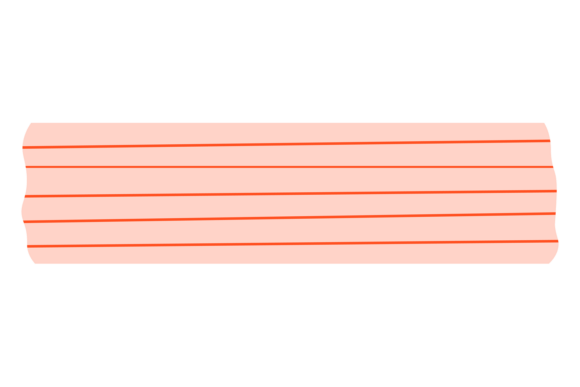
At its core, the Ripped Scrapbooking Stripe. Line Pattern is a visual representation of torn paper edges, typically arranged in linear or striped formations. Unlike clean, vector-perfect lines generated by standard design software, this pattern mimics the organic irregularities of hand-torn paper. The "ripped" aspect introduces a sense of imperfection, warmth, and tactile reality that sterile digital lines often lack.
The pattern is not merely a static image; it is a design philosophy that embraces wabi-sabi—the Japanese aesthetic centered on the acceptance of transience and imperfection. When applied as a stripe or line pattern, it creates visual rhythm without the rigidity of traditional geometric grids. This makes it an ideal choice for projects that require a human touch, such as journaling layouts, handmade invitations, or artisanal product packaging.
Key Characteristics and Visual Appeal
To effectively use this pattern, one must understand its defining features:
- Organic Edges: The primary feature is the uneven, fibrous edge that simulates the tearing of paper stock. This adds depth and shadow, creating a 3D effect on 2D surfaces.
- Versatile Orientation: While often used horizontally, the line pattern can be rotated, layered, or arranged vertically to create dynamic compositions.
- Texture Integration: High-quality versions of the Ripped Scrapbooking Stripe. Line Pattern include subtle grain or fiber details, enhancing the realism of the tear.
- Layering Potential: These stripes are designed to overlap, allowing designers to create collages that feel assembled by hand rather than constructed digitally.
Technical Formats: EPS, JPG, SVG, and Transparent PNG
One of the significant advantages of modern digital assets is the variety of file formats available. When sourcing a Ripped scrapbooking stripe. Line pattern decorative tape, understanding the differences between these formats is crucial for maintaining quality and workflow efficiency.
- Vector Illustration (EPS and SVG): For professionals who need scalability, EPS and SVG formats are indispensable. As vector files, they allow the ripped stripe to be resized infinitely without losing resolution. This is particularly important for large-format printing, such as banners or wall decals, where pixelation would ruin the delicate edge details. SVGs are also ideal for web use, offering small file sizes and crisp rendering on high-definition screens.
- Transparent PNG: Perhaps the most user-friendly format for general consumers and digital crafters, the transparent PNG allows the ripped stripe to be placed over any background without a white box surrounding it. This "plug-and-play" capability makes it perfect for digital scrapbooking, social media graphics, and overlay effects in photo editing software.
- JPG: While less flexible due to the lack of transparency, JPGs are widely compatible and suitable for quick previews or projects where the background is solid and known in advance. However, for serious design work involving layering, JPGs are generally less preferred than their transparent counterparts.
Having access to a Vector illustration EPS, JPG, SVG, transparent PNG package ensures that you are prepared for any project requirement, from a tiny website icon to a large-scale print advertisement.
Practical Applications Across Industries
The utility of the Ripped Scrapbooking Stripe. Line Pattern extends far beyond traditional paper crafts. Its adaptability makes it a valuable asset for various professionals and creators.
Digital Marketing and Social Media
In the crowded space of social media, standing out requires unique visual hooks. Content creators use ripped stripes to frame text, separate sections in carousel posts, or highlight key quotes. The organic nature of the tear draws the eye naturally, guiding the viewer’s attention without the aggression of bold, artificial arrows or boxes. For instance, a lifestyle blogger might use a horizontal ripped stripe to separate a personal anecdote from a product recommendation, creating a clear yet aesthetically pleasing division.
E-Commerce and Product Packaging
Small business owners, particularly those in handmade or artisanal sectors, can leverage this pattern to reinforce their brand’s narrative of authenticity. Using the Ripped scrapbooking stripe. Line pattern decorative tape in digital mockups for product listings can suggest a handmade, care-filled approach. Furthermore, if printed on actual packaging tape or labels, the pattern adds a tactile unboxing experience that customers appreciate.
Education and Presentation Design
Educators and corporate trainers often struggle to make slides engaging. Incorporating ripped line patterns can break up dense text and add visual interest to presentations. It softens the corporate feel, making information appear more approachable and less intimidating. This is particularly effective in creative industries, workshops, or educational materials for younger audiences.
Evaluating Suitability: When to Use (and When to Avoid)
While versatile, the Ripped Scrapbooking Stripe. Line Pattern is not a one-size-fits-all solution. Knowing when to apply it is as important as knowing how.
Ideal Scenarios:
- Projects requiring a warm, personal, or nostalgic tone.
- Designs that benefit from texture and depth.
- Casual or creative branding that values authenticity over corporate polish.
- Layouts that need soft dividers rather than hard lines.
Considerations and Limitations:
If your project demands a sleek, futuristic, or ultra-minimalist aesthetic, the organic roughness of a ripped stripe may clash with the overall design language. Additionally, overusing the pattern can lead to visual clutter. The key is moderation; use the stripes to accentuate, not overwhelm. Always ensure that the color of the stripe contrasts sufficiently with the background to maintain readability and visual impact.
Tips for Effective Implementation
To get the most out of your Vector illustration EPS, JPG, SVG, transparent PNG assets, consider the following best practices:
First, experiment with blending modes. In software like Photoshop or Procreate, changing the blending mode of a ripped stripe overlay to "Multiply" or "Overlay" can help it integrate more naturally with underlying textures, mimicking the way ink or paper fibers interact in real life.
Second, mix and match widths. Instead of using uniform stripes, vary the width of the ripped lines to create a more dynamic and natural-looking composition. This mimics the randomness of actual hand-torn paper.
Finally, consider the color palette. While classic kraft paper brown or white tears are popular, don’t shy away from colored stripes. However, ensure the colors align with your project’s mood. Muted, earthy tones often work best with this aesthetic, preserving the organic feel.
Conclusion
The Ripped Scrapbooking Stripe. Line Pattern is more than just a decorative element; it is a bridge between the digital and physical worlds, offering a touch of humanity in an increasingly automated design landscape. By understanding its technical formats—from scalable vectors to transparent PNGs—and recognizing its appropriate applications, creators can unlock new levels of engagement and aesthetic appeal in their work.
Whether you are designing a wedding invitation, a social media campaign, or a product label, incorporating this pattern can add the subtle texture and warmth that resonates with audiences. As you explore its potential, remember that the goal is not just decoration, but communication—using the imperfect beauty of the ripped edge to tell a story of authenticity and care.