Hand-drawn Silhouette Palm Tree Vector: A Practical Guide for Designers
In the realm of digital graphic design, few elements evoke the spirit of summer, relaxation, and tropical elegance as effectively as palm trees. Among the myriad styles available, the Hand-drawn Silhouette Palm Tree Vector has emerged as a versatile and highly sought-after resource. This specific style combines the organic imperfections of hand-drawn art with the technical precision of vector graphics, offering designers a unique tool for creating clean, stylish, and impactful visuals. Whether you are working on a beach-themed logo, a summer sale banner, or intricate decorative patterns, understanding the nuances of this asset type can significantly enhance your workflow and final output.
Defining the Hand-drawn Silhouette Aesthetic
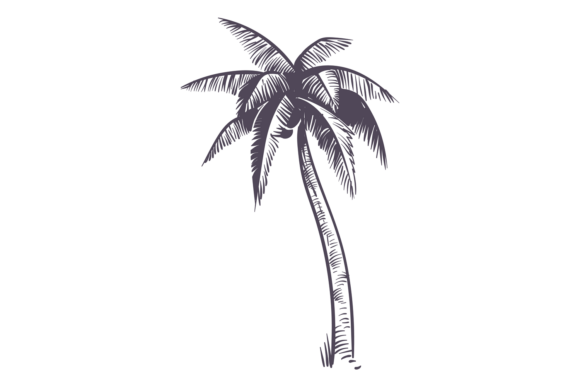
A Hand-drawn Silhouette Palm Tree Vector is distinct from standard clipart or photorealistic illustrations. It features solid black shapes against a transparent or white background, stripping away color and texture to focus entirely on form and outline. The "hand-drawn" aspect introduces subtle irregularities in the fronds and trunks, mimicking the natural variation found in real palm species rather than the rigid symmetry often seen in computer-generated geometry. This blend of organic feel and digital scalability makes it an ideal choice for projects that require a touch of authenticity without sacrificing modern minimalism.
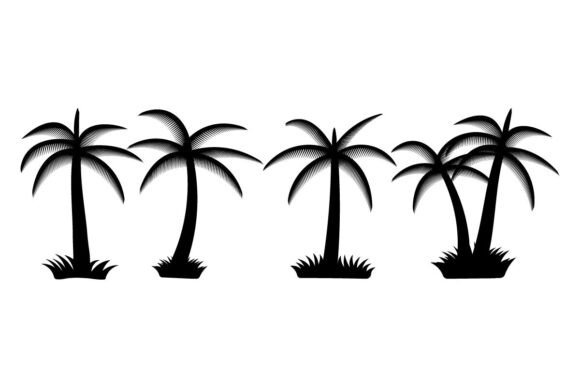
The typical collection includes multiple variations, such as the four distinct designs often found in premium packs. These variations might include tall, slender coconut palms, bushier fan palms, or clusters with overlapping fronds. Each design serves a different compositional need, allowing designers to mix and match elements to create depth and visual interest. The clean lines ensure that the imagery remains legible even at small sizes, while the silhouette format guarantees high contrast and immediate recognition.
Vector vs. Raster: Why Format Matters
When evaluating digital assets, one of the most critical decisions involves choosing between vector and raster formats. A Hand-drawn Silhouette Palm Tree Vector is typically delivered in formats like SVG, EPS, AI, or PDF. These formats use mathematical paths to define shapes, meaning the image can be scaled infinitely without any loss of quality. This is particularly important for large-format printing, such as billboards, trade show backdrops, or vehicle wraps, where pixelation would be disastrous.
In contrast, raster formats like JPG and PNG are composed of pixels. While the description of this asset notes availability in PNG and JPG, these are best suited for web use, social media posts, or quick mockups where scaling is not required. Using a raster image for a large print project will result in blurry edges and jagged lines, undermining the clean aesthetic of the silhouette. Therefore, for professional design work, the vector files (SVG/EPS) should always be the primary choice, with raster versions serving as convenient previews or web-ready exports.
Comparing Silhouettes to Other Illustration Styles
To determine if a Hand-drawn Silhouette Palm Tree Vector is the right fit for your project, it is helpful to compare it with other common illustration styles. Here is how it stacks up against alternatives:
- Photorealistic Images: Photos offer detailed texture and color but can feel heavy or cluttered in minimalist designs. They also require careful lighting matching when compositing. Silhouettes, by contrast, are neutral and easily layered over any background color or gradient.
- Line Art: Line drawings provide a delicate, sketch-like feel but can lose visibility when scaled down or printed on busy backgrounds. Silhouettes maintain strong visual presence due to their solid fill, making them more versatile for logos and icons.
- Flat Color Illustrations: These add vibrancy but limit flexibility. If a client changes their brand color scheme, a multi-colored illustration may require significant editing. A black silhouette is universally compatible and can be recolored instantly in any design software.
The strength of the silhouette approach lies in its adaptability. It acts as a visual anchor that does not compete with other design elements, such as typography or photography. This makes it an excellent choice for headers, footers, and background patterns where subtlety is key.
Practical Use Cases and Applications
The versatility of the Hand-drawn Silhouette Palm Tree Vector extends across various industries and design disciplines. Understanding where these assets shine can help you integrate them more effectively into your creative process.
Branding and Logo Design
For businesses in the tourism, hospitality, or wellness sectors, palm trees are iconic symbols. A hand-drawn silhouette offers a bespoke feel that generic clipart lacks. Because the vectors are clean and simple, they work well as standalone logos or as part of a larger emblem. The organic lines suggest a relaxed, approachable brand personality, which is ideal for boutique hotels, surf shops, or organic skincare lines.
Digital Marketing and Social Media
In digital campaigns, speed and clarity are essential. Silhouettes load quickly and remain crisp on high-resolution mobile screens. They can be used to frame text, create dividers between sections, or add thematic flair to Instagram stories and Pinterest pins. The black-and-white contrast ensures readability even when overlaid on complex photographic backgrounds.
Print and Packaging
For product packaging, especially for items like sunscreen, beverages, or apparel, silhouettes provide a sophisticated, modern look. They print cleanly on various materials, including kraft paper, matte finishes, and transparent labels. The simplicity of the design reduces ink costs while maintaining high visual impact.
Limitations and When to Choose Alternatives
While the Hand-drawn Silhouette Palm Tree Vector is a powerful tool, it is not a universal solution. There are scenarios where other options may be more appropriate.
If your project requires detailed botanical accuracy or specific species identification, a silhouette may be too abstract. In educational materials or scientific contexts, detailed illustrations or photographs are necessary to convey specific information about leaf structure or growth patterns. Similarly, if the design goal is to evoke a lush, vibrant jungle atmosphere, the lack of color and depth in silhouettes might feel too stark. In such cases, layered watercolor illustrations or 3D renders might better capture the desired mood.
Additionally, because silhouettes rely heavily on shape, poor composition can lead to visual confusion. If fronds overlap excessively without proper spacing, the image can become a meaningless black blob. Designers must carefully arrange the elements to ensure negative space is used effectively to define the form.
Making the Right Choice for Your Project
Selecting the right asset involves balancing aesthetic goals with technical requirements. When considering a Hand-drawn Silhouette Palm Tree Vector, ask yourself the following questions:
- Scalability: Will the image need to be resized frequently or printed at large dimensions? If yes, the vector format is non-negotiable.
- Style Consistency: Does the hand-drawn, organic feel align with the rest of your brand identity? If your brand is strictly corporate and geometric, a more structured icon set might be preferable.
- Background Complexity: Will the image be placed on busy backgrounds? Silhouettes work best on solid colors or simple gradients. If the background is complex, consider adding a stroke or glow effect to separate the silhouette from the background.
- Customization Needs: Do you plan to modify the shapes? Vector files allow for easy editing of anchor points, enabling you to tweak frond positions or trunk angles to suit your specific layout.
Ultimately, the Hand-drawn Silhouette Palm Tree Vector is a strategic choice for designers who value flexibility, cleanliness, and timeless appeal. It bridges the gap between artistic expression and functional design, offering a resource that is both visually engaging and technically robust. By understanding its strengths and limitations, you can leverage this asset to create compelling, professional-grade designs that resonate with your audience.
Whether you are designing a summer campaign for a New Jersey beach resort or creating a tropical-themed invitation, this vector style provides a foundational element that is both elegant and effective. Its ability to adapt to various formats—SVG for web, EPS for print, PNG for quick previews—ensures that it remains a valuable addition to any designer’s toolkit. By choosing the right format and applying it thoughtfully, you can elevate your projects with a touch of tropical sophistication that stands the test of time.