Unlocking the Power of Stylized Winged Bird Elements in Modern Design
In the vast landscape of graphic design, few motifs are as timeless and versatile as the stylized winged bird element. From ancient hieroglyphs to modern corporate logos, the image of a bird in flight has captivated human imagination. Today, this motif has evolved into a sophisticated design asset, particularly when rendered in Color Deco styles. Whether you are a seasoned graphic designer, a small business owner creating branding materials, or a hobbyist exploring digital art, understanding how to utilize these elements can elevate your visual communication significantly.
This article explores the aesthetic appeal, practical applications, and technical considerations of using stylized winged bird shapes. We will delve into why these elements are so effective, how they fit into contemporary design trends, and the importance of choosing the right file formats—such as EPS, JPG, SVG, and transparent PNG—for your specific needs.
The Allure of the Stylized Winged Bird
Why do designers consistently return to the image of a bird? The answer lies in symbolism and form. Birds represent freedom, perspective, speed, and aspiration. When these creatures are stylized, meaning they are simplified or abstracted rather than depicted realistically, they become more than just illustrations; they become symbols.
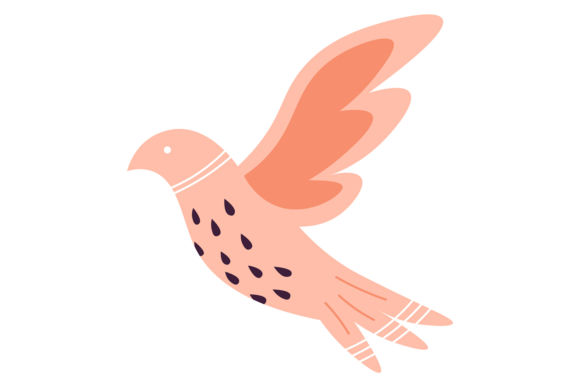
A stylized winged bird element strips away the unnecessary details of feathers and anatomy, focusing instead on the essence of flight. This abstraction allows the viewer’s brain to fill in the gaps, creating a more engaging and memorable visual experience. In the context of Color Deco, these elements often feature bold geometric lines, vibrant palettes, and a sense of streamlined motion that harkens back to the Art Deco era of the 1920s and 1930s, yet feels thoroughly modern.
Symbolism in Branding and Communication
For businesses, the choice of a winged bird logo or icon is rarely accidental. It communicates core values without using words. Consider the following associations:
- Freedom and Independence: Ideal for travel agencies, outdoor gear brands, or financial services promising liberation from debt.
- Speed and Efficiency: Perfect for logistics companies, courier services, or tech startups focused on rapid delivery.
- Vision and Perspective: Suitable for consulting firms, educational institutions, or strategic planning agencies.
By using a color decorative shape isolated on a white background, designers ensure that the focus remains entirely on the symbol. This isolation removes visual clutter, making the element adaptable to various backgrounds and mediums.
Understanding Color Deco Aesthetics
The term Color Deco refers to a design approach that blends the geometric elegance of Art Deco with contemporary color theory. Unlike traditional black-and-white line art, Color Deco elements utilize rich, saturated hues to create depth and interest. When applied to a stylized winged bird, this style can transform a simple icon into a striking piece of art.
Key characteristics of this aesthetic include:
- Geometric Simplification: Wings are often represented by triangles, arcs, or sweeping curves rather than individual feathers.
- Bold Color Contrasts: Using complementary colors (such as blue and orange) to make the element pop against a white background.
- Streamlined Forms: Emphasizing aerodynamics and movement, reflecting the machine-age optimism of the original Art Deco movement.
This style is particularly effective in modern web design and print media because it balances nostalgia with clarity. It feels premium and intentional, helping brands stand out in a crowded marketplace.
Practical Applications in Modern Life and Business
The utility of a stylized winged bird element extends far beyond logo design. Here is how these assets fit into various aspects of modern creativity and business:
1. Corporate Identity and Branding
A well-designed bird element can serve as the cornerstone of a brand’s visual identity. It can be used on business cards, letterheads, and signage. The key is consistency. By using the same color decorative shape across all touchpoints, a company builds recognition and trust.
2. Digital Marketing and Social Media
In the fast-paced world of social media, visuals must grab attention instantly. A vibrant, stylized bird icon can be used as a watermark, a profile picture, or an accent in infographic designs. Its simplicity ensures it remains legible even when scaled down to thumbnail size on mobile devices.
3. Educational and Editorial Design
Textbooks, magazines, and online articles often use icons to break up text and illustrate concepts. A winged bird can symbolize "growth," "learning," or "exploration" in educational materials. Its universal appeal makes it accessible to readers of all ages and cultures.
4. Product Packaging
For consumer goods, especially in the beauty, wellness, or organic food sectors, a stylized bird suggests natural ingredients and purity. When printed on packaging, the clean lines of a vector-based design ensure high-quality reproduction.
Technical Essentials: Choosing the Right File Format
One of the most critical aspects of using digital design elements is understanding file formats. The prompt mentions EPS, JPG, SVG, and transparent PNG. Each serves a distinct purpose, and choosing the wrong one can lead to poor quality or compatibility issues.
SVG (Scalable Vector Graphics):
This is arguably the most important format for modern web design. SVGs are vector-based, meaning they use mathematical paths rather than pixels. You can scale a stylized winged bird from the size of a favicon to a billboard without any loss of quality. They are also code-based, allowing for easy color changes via CSS.
EPS (Encapsulated PostScript):
EPS is the standard for professional printing. If you are sending your design to a printer for brochures, banners, or merchandise, an EPS file ensures that the edges remain crisp and the colors remain accurate. It is editable in professional software like Adobe Illustrator.
Transparent PNG (Portable Network Graphics):
PNGs are raster images, meaning they are made of pixels. However, a transparent PNG allows the background to be see-through. This is ideal for placing your bird element over photos, colored backgrounds, or complex layouts in PowerPoint presentations or word processors. Note that unlike vectors, PNGs can become pixelated if enlarged too much.
JPG (Joint Photographic Experts Group):
JPGs are best for photographs and complex images with many colors. For a simple stylized winged bird element, JPG is generally less ideal because it does not support transparency and uses compression that can introduce artifacts around sharp lines. However, it is widely compatible and useful for quick previews or email attachments where file size is a concern.
Common Misunderstandings and Best Practices
Many beginners assume that any image of a bird will work for their project. However, there are common pitfalls to avoid:
- Ignoring Context: A aggressive-looking eagle might not suit a gentle childcare brand. Ensure the style of the bird matches the tone of your message.
- Poor Contrast: When using Color Deco elements, ensure the colors contrast sufficiently with the background. A light blue bird on a white background may disappear.
- Over-Complication: The power of a stylized element lies in its simplicity. Avoid adding too many details that distract from the core shape.
To build a broader understanding, consider studying successful brands that use bird imagery. Analyze how they simplify the form and choose colors. Notice how they maintain consistency across different media. This observational practice can sharpen your own design intuition.
Conclusion
The stylized winged bird element is more than just a decorative clipart item; it is a powerful tool for visual storytelling. By leveraging the elegance of Color Deco aesthetics and understanding the technical nuances of file formats like EPS, JPG, SVG, and transparent PNG, you can create designs that are both beautiful and functional. Whether you are building a brand, enhancing a presentation, or exploring creative hobbies, these elements offer a pathway to clearer, more impactful communication. Embrace the simplicity, respect the symbolism, and let your designs take flight.