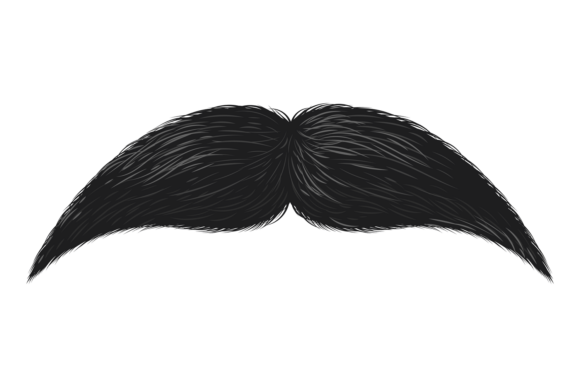
Realistic Moustache. Black Mustache Facial Hair Style: Integrating Vector Assets into Modern Design Workflows
In the landscape of digital design and creative marketing, specific visual elements often carry disproportionate weight in conveying tone, personality, and brand identity. The realistic moustache, particularly rendered as a black mustache facial hair style, has transcended its biological origins to become a potent symbol in graphic design. Whether utilized for barbershop branding, gentlemanly hipster fashion campaigns, or as a decorative element for Father’s Day promotions, this asset requires careful handling to ensure it enhances rather than distracts from the overall project.
For professionals ranging from freelance illustrators to small business owners, understanding how to integrate these assets effectively is crucial. The availability of high-quality formats—such as vector cartoon flat style illustrations isolated on white backgrounds, along with EPS, JPG, and transparent PNG files—allows for versatile application across various media. This article explores the practical implementation of these assets, focusing on workflow integration, quality control, and strategic usage.
Defining the Asset and Its Strategic Role
When we refer to a realistic moustache in a digital context, we are often discussing a hybrid approach. While the subject matter is organic facial hair, the delivery method is frequently stylized. A "vector cartoon flat style" suggests a clean, scalable graphic that prioritizes clarity and modern aesthetics over photorealistic texture. However, the term "realistic" here often pertains to the anatomical accuracy of the shape and the cultural recognition of the style, such as the handlebar, chevron, or pencil moustache.
The black mustache facial hair style serves as a visual shorthand. In marketing workflows, it instantly communicates themes of masculinity, tradition, grooming, or irony, depending on the surrounding context. For a barbershop, it signals expertise and classic service. For a hipster fashion brand, it might indicate a playful nod to vintage trends. Recognizing this dual nature is the first step in effective planning. Before downloading or purchasing an asset, define the emotional response you wish to evoke. This clarity guides the selection process, ensuring you choose between a rugged, textured look or a sleek, flat vector design.
Pre-Production: Selection and Compatibility
The foundation of a smooth design process lies in selecting the right file format for the intended output. The prompt specifies three key formats: EPS, JPG, and transparent PNG. Each serves a distinct function in the production pipeline.
- EPS (Encapsulated PostScript): This is the gold standard for scalability. If your project involves large-format printing, such as storefront signage for a barbershop or banners for a Father’s Day event, EPS is essential. It allows designers to resize the black mustache facial hair style without any loss in quality. Working with vectors also enables easy color manipulation, allowing you to adjust the shade of black or add subtle gradients to match brand guidelines.
- Transparent PNG: For digital workflows, including web design, social media graphics, and app interfaces, transparency is non-negotiable. A PNG with a transparent background ensures that the moustache illustration blends seamlessly with underlying images or colored backgrounds. This eliminates the need for time-consuming manual masking in post-production, significantly boosting efficiency.
- JPG: While less flexible due to its solid background, JPGs are useful for quick previews or when file size is a primary concern for web loading speeds. However, for professional implementation, relying solely on JPGs can hinder flexibility, especially if the asset needs to be placed over non-white backgrounds.
During the selection phase, verify the integrity of the "isolated on white background" claim. Even in vector files, stray anchor points or imperfect paths can cause rendering issues. A quick review in your preferred design software ensures that the asset is truly clean and ready for immediate use.
Integration into Design Workflows
Once the asset is selected, the next phase is integration. This is where the realistic moustache transitions from a standalone image to a functional component of a larger design system. Consider the following practical scenarios:
Branding and Identity Systems
For barbershops and grooming brands, the moustache is often central to the logo or iconography. When using a vector cartoon flat style, consistency is key. Ensure that the line weight and stylistic nuances of the moustache match other elements in your brand kit, such as typography and secondary icons. If your brand leans towards a "gentleman hipster" aesthetic, pair the black mustache illustration with serif fonts and muted color palettes. This creates a cohesive visual language that resonates with the target demographic.
Seasonal Campaigns and Promotions
Father’s Day represents a peak season for utilizing these assets. Here, the moustache acts as a decorative element rather than a core logo component. Designers can use the black mustache facial hair style as a border, a bullet point, or a background pattern. Because the asset is isolated, it can be repeated to create textures or used as a mask for photographs. For example, placing a father’s portrait within the silhouette of a moustache can create a touching and memorable promotional graphic. The ease of manipulating vector files allows for rapid iteration, enabling marketers to test multiple layouts quickly.
Digital Content and Social Media
In the fast-paced environment of social media, speed and adaptability are paramount. Transparent PNGs of realistic moustaches can be overlaid on user-generated content or product shots to add a layer of humor or thematic relevance. For influencers and content creators, these assets can serve as stickers or overlays in video editing software, enhancing engagement without requiring custom illustration for every post.
Quality Control and Usability Considerations
Maintaining high standards throughout the implementation process is vital. A poorly integrated asset can undermine the professionalism of the entire project. Pay attention to the following factors:
Resolution and Scaling: Even with vector files, ensure that any raster effects (such as shadows or textures) are applied at the appropriate resolution for the final output. For print, maintain a minimum of 300 DPI for any embedded raster elements. For web, optimize PNGs to balance quality and load times.
Color Consistency: "Black" is not a single value. In digital design, pure black (#000000) can appear harsh against certain backgrounds. Consider using a rich black (a mix of CMYK values) for print or a dark gray for digital interfaces to create depth and visual comfort. Adjust the color of the realistic moustache to harmonize with the overall color scheme of your project.
Contextual Relevance: Avoid forcing the asset into contexts where it does not fit. While the moustache is a versatile symbol, its association with masculinity and vintage styles means it may not suit every brand voice. Use it judiciously to reinforce the message rather than as a generic decoration.
Long-Term Asset Management
Efficient workflows extend beyond the immediate project. Organize your library of facial hair illustrations systematically. Tag files with relevant keywords such as "barbershop," "hipster," "Father’s Day," and "vector" to facilitate quick retrieval for future campaigns. Maintaining a well-organized asset library reduces downtime and ensures consistency across long-term branding efforts.
Furthermore, consider the licensing implications of the assets you use. Ensure that the EPS, JPG, and PNG files you purchase or download come with the appropriate commercial rights for your intended use. This prevents legal complications and supports sustainable creative practices.
Conclusion
The realistic moustache, particularly in the form of a black mustache facial hair style, is more than a whimsical graphic. It is a strategic tool that, when integrated correctly, enhances brand identity, drives seasonal engagement, and streamlines creative workflows. By understanding the technical specifications of vector and raster formats, aligning the asset with broader design goals, and maintaining rigorous quality control, professionals can leverage these illustrations to achieve polished, impactful results. Whether for a barbershop’s storefront or a digital Father’s Day campaign, the thoughtful application of these assets demonstrates a commitment to both aesthetic excellence and operational efficiency.