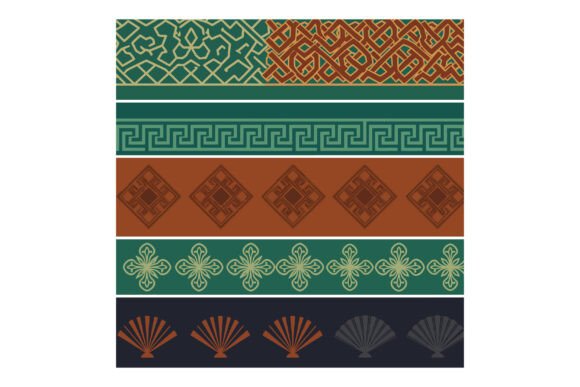
Traditional Geometric and Floral Seamless Patterns: A Guide to Elegant Design
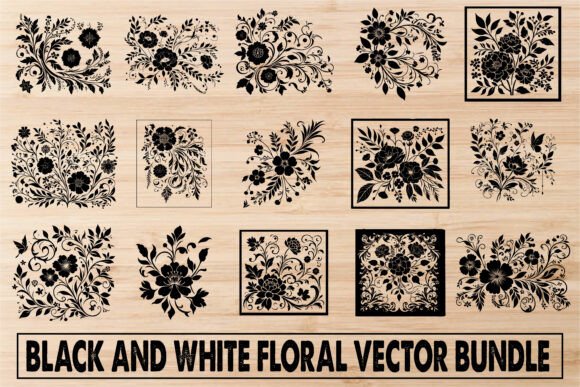
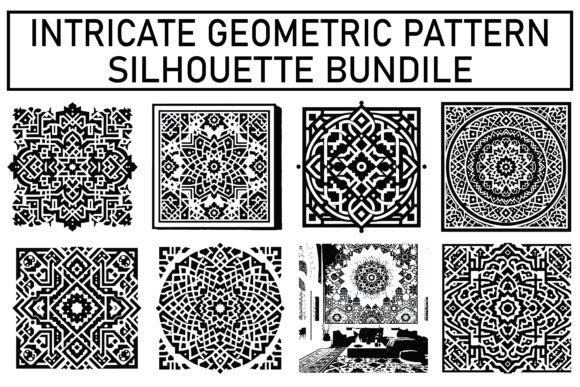
There is a distinct quietude found in well-executed design, a visual silence that allows the eye to rest while still engaging the mind. This is precisely the territory occupied by Traditional Geometric and Floral Seamless patterns. When you encounter a design featuring seamless horizontal stripes interwoven with geometric precision and organic floral motifs, rendered in a palette of deep greens, earthy browns, and stark blacks, you are looking at more than just decoration. You are seeing a bridge between the structured logic of geometry and the untamed beauty of nature.
For designers, homeowners, and brand strategists alike, understanding how to leverage these specific aesthetic elements can transform a mundane space or product into something that feels curated, timeless, and deeply grounded. The appeal lies not in shouting for attention, but in offering a calm, elegant presence that enhances rather than overwhelms.
The Psychology of Earth Tones and Structured Nature
Before diving into applications, it is worth considering why this specific combination works so effectively. The color triad of green, brown, and black is inherently stabilizing. Green connects us to growth and renewal; brown anchors us in stability and warmth; black provides definition and contrast. When these colors are arranged in horizontal stripes, they create a sense of width and horizon, subtly expanding the visual field.
Adding geometric shapes introduces order, while floral elements soften that rigidity. This balance is crucial for creating a "calm mood." In a world saturated with high-contrast, neon-digital noise, this traditional approach offers a sensory retreat. It is design that breathes. For users seeking to reduce visual clutter in their environments or brands aiming to project reliability and heritage, this pattern language is an invaluable tool.
Interior Design: Creating Sanctuaries
The most immediate application for Traditional Geometric and Floral Seamless designs is in interior spaces. However, the key to success here is restraint. Because the pattern combines multiple elements—stripes, geometry, and flora—it carries a high visual weight if used incorrectly.
- Accent Walls: Use the pattern on a single wall in a bedroom or study. The horizontal lines will make the room feel wider, while the dark greens and browns create a cozy, library-like atmosphere conducive to reading or relaxation.
- Upholstery: Applying this vector pattern to fabric for headboards or armchairs adds texture without the chaos of busy prints. The seamless nature ensures that the pattern flows continuously across large pieces of furniture, avoiding awkward cuts or misalignments.
- Window Treatments: Heavy drapes in this pattern can ground a room with high ceilings. The vertical drop of the curtain contrasts beautifully with the horizontal orientation of the stripes, creating a dynamic yet balanced visual tension.
Consider the lighting in your space. These earthy tones absorb light rather than reflect it. In a north-facing room with cool natural light, the brown and black elements might appear heavier. Counteract this by ensuring ample warm artificial lighting or pairing the pattern with cream or off-white adjacent walls to keep the mood calm rather than somber.
Branding and Packaging: Conveying Heritage and Quality
In the commercial realm, this aesthetic signals artisanal quality and eco-consciousness. Brands in the wellness, organic food, or sustainable fashion sectors often struggle to differentiate themselves without resorting to clichéd leaf icons or sterile minimalism. Traditional Geometric and Floral Seamless patterns offer a sophisticated middle ground.
Imagine a premium tea brand. The packaging uses this vector design as a background wrap. The green hints at the product’s natural origins, the brown suggests earth and soil, and the geometric precision implies careful craftsmanship. It tells a story of tradition meeting modern standards. Similarly, a boutique hotel might use this pattern on their key cards, menu covers, or lobby wallpaper to instantly communicate a vibe of understated luxury and connection to nature.
The strength here is versatility. Because the pattern is seamless and vector-based, it scales infinitely without losing resolution. It can be shrunk down for a business card or blown up for a storefront window display, maintaining its elegant integrity. This adaptability makes it a cost-effective asset for brand identity systems that need to function across various touchpoints.
Digital Interfaces and Web Design
While often associated with print and physical spaces, this pattern has a place in digital design, particularly for backgrounds and section dividers. The "calm mood" it evokes is ideal for websites focused on mindfulness, yoga, therapy, or high-end real estate.
When using such a detailed pattern on screens, opacity is your friend. Overlaying the Traditional Geometric and Floral Seamless vector at 5-10% opacity creates a subtle texture that prevents white space from feeling sterile. It adds depth and interest without distracting from the primary content or call-to-action buttons. The horizontal stripes can also serve as natural visual guides, leading the user’s eye across the screen in a left-to-right reading flow.
However, a limitation to consider is accessibility. Ensure that text placed over these patterns has sufficient contrast. The intricate mix of black, brown, and green can make small text hard to read if the background is too busy. Always test your designs with accessibility tools to ensure that the elegance of the pattern does not compromise usability.
Fashion and Textiles: Timeless Wearability
In fashion, this pattern translates beautifully to scarves, ties, and linings. The horizontal stripes can be flattering when used in accessories, drawing the eye horizontally and adding a sense of breadth and presence. For men’s fashion, a tie featuring this geometric-floral hybrid in dark green and brown offers a sophisticated alternative to standard solids or loud novelty prints. It pairs exceptionally well with navy, charcoal, and tweed suits.
For women’s fashion, consider the scale of the vector. A smaller scale works well for blouses and dresses, creating a textured look from a distance that reveals its intricate detail up close. The seamless nature allows for efficient fabric cutting, reducing waste—a selling point for sustainable fashion brands. The earthy palette ensures that garments made with this pattern remain versatile staples in a wardrobe, easily mixed and matched with neutral basics.
Practical Considerations for Implementation
Choosing the right iteration of Traditional Geometric and Floral Seamless requires attention to detail. Not all vectors are created equal. When sourcing or creating these designs, look for clean lines and balanced spacing. The geometric elements should complement, not compete with, the floral motifs. If the geometry is too aggressive, the design loses its calmness; if the florals are too dense, it becomes chaotic.
Also, consider the medium. Print processes handle deep blacks and rich browns differently than digital screens. In print, ensure your black values are rich (using CMYK mixes) rather than flat black, to achieve that luxurious depth. On screen, calibrate for sRGB to ensure the greens do not appear muddy.
Finally, think about context. This pattern thrives in environments that value slowness and intention. It may feel out of place in high-energy, fast-paced settings like gyms or tech startups aiming for a futuristic vibe. Align the design with the emotional goal of your project. If the goal is tranquility, heritage, or natural elegance, this pattern is a powerful ally.
By understanding the nuances of color, form, and application, you can harness the power of Traditional Geometric and Floral Seamless designs to create spaces, brands, and products that resonate on a deeper, more visceral level. It is a reminder that in design, as in life, there is profound beauty in the balance between structure and flow.