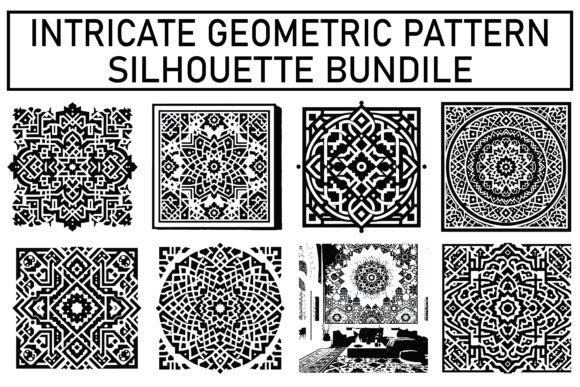
Intricate Geometric Pattern Design: A Practical Guide for Creators and Makers
There is something undeniably captivating about the precision of an intricate geometric pattern design. Whether you are drawn to the meditative symmetry of a mandala, the historical depth of Islamic art, or the sharp, clean lines of modern abstract vector graphics, these designs bridge the gap between mathematical perfection and artistic expression. For designers, architects, crafters, and hobbyists, understanding how to leverage these patterns can transform a simple project into a statement piece.
The appeal lies in the versatility. A single high-resolution file can serve as the foundation for a luxury textile print, a laser-cut wooden screen, or a digital wallpaper that adds depth to a website. But moving from appreciation to application requires more than just picking a pretty image. It demands an understanding of scale, medium, and the technical requirements of your specific output.
Bridging Tradition and Modern Technology
Geometric patterns have roots in some of the world’s oldest artistic traditions. From the tile work of ancient mosques to the tribal motifs found in indigenous textiles, symmetry has long been used to convey order, beauty, and cultural identity. Today, we access these timeless aesthetics through digital formats like SVG, EPS, PNG, and JPG. This fusion of sacred geometry with modern digital design tools opens up a world of possibilities that were previously inaccessible to the average creator.
When you work with an intricate geometric pattern design, you are not just decorating a surface; you are engaging with a visual language that speaks of precision and craftsmanship. The black-and-white contrast often found in these vectors highlights the structural integrity of the design, making it easier to manipulate for various uses without losing clarity. This is particularly important when scaling a design up for architectural applications or down for delicate jewelry engraving.
Real-World Applications Across Industries
The utility of geometric patterns extends far beyond graphic design portfolios. Here is how different professionals and enthusiasts are applying these assets in tangible ways.
Interior Design and Architecture
In interior design, geometric patterns are powerful tools for defining space. Consider the use of laser-cut panels as room dividers. An intricate maze-like or floral geometric pattern can filter light beautifully, creating dynamic shadows that change throughout the day. Designers often choose vector files (SVG or EPS) for this purpose because they allow for unlimited scaling without pixelation, ensuring that every curve and angle remains crisp when cut from wood, metal, or acrylic.
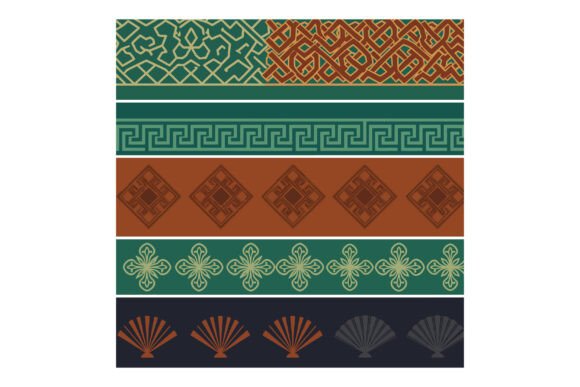
Similarly, tile design benefits immensely from seamless geometric patterns. Whether you are creating a backsplash for a kitchen or a feature wall in a bathroom, the repetition of ornamental frames or mosaic-style tiles creates a sense of continuity. The key here is symmetry. A well-balanced pattern ensures that the eye moves smoothly across the surface, avoiding visual clutter while adding texture and interest.
Textile and Fashion Design
The fashion industry relies heavily on repeat patterns. An abstract, boho-inspired geometric design can be printed on silk scarves, cotton shirts, or home linens. When selecting a pattern for textiles, consider the "repeat" nature of the file. Seamless patterns are essential here to avoid visible breaks in the design when the fabric is cut and sewn.
Vintage and retro geometric styles are currently trending, offering a nod to mid-century modern aesthetics. These designs often feature bolder lines and less dense detailing, making them ideal for large-scale prints on upholstery or curtains. In contrast, high-detail ethnic or Arabic designs might be better suited for accessories like ties, pocket squares, or intricate lace overlays where the viewer can appreciate the fine craftsmanship up close.
Digital Media and Branding
For digital creators, geometric patterns provide a sophisticated background for websites, apps, and social media content. A minimal, low-opacity geometric overlay can add depth to a landing page without distracting from the primary call-to-action. Because these designs are often available in transparent PNG formats, they can be layered easily over photos or solid colors.
Brands looking to convey luxury, precision, or heritage often incorporate ornamental frames or border elements into their packaging and logo designs. The psychological impact of symmetry suggests stability and trust, which is why financial institutions and high-end cosmetic brands frequently utilize these visual cues.
Choosing the Right Format for Your Project
One of the most common mistakes beginners make is selecting the wrong file format for their intended use. Understanding the difference between raster and vector images is crucial when working with intricate details.
- Vector Formats (SVG, EPS): These are math-based images that can be scaled to any size without losing quality. They are essential for laser cutting, vinyl cutting, large-format printing, and logo design. If you plan to engrave a design onto wood or metal, always start with an SVG or EPS file.
- Raster Formats (JPG, PNG): These are pixel-based images. High-resolution JPGs are suitable for web use, digital backgrounds, and standard printing where the size is fixed. PNGs are preferred when you need transparency, such as placing a pattern over a colored background in Photoshop or Canva.
For example, if you are creating a stencil for painting, a high-contrast black-and-white PNG might suffice for a small craft project. However, if you are designing a large architectural screen, only a vector file will ensure the edges remain sharp and cuttable.
Considerations for Laser Cutting and Engraving
Laser cutting has democratized the production of complex geometric art. However, not all intricate designs are created equal for this medium. When preparing an intricate geometric pattern design for laser cutting, consider the following:
- Line Thickness: Ensure that the lines in your vector file are thick enough to hold together physically. Extremely fine details may burn away or become fragile, especially in materials like wood or acrylic.
- Connectivity: Every part of your design must be connected. Floating elements will fall out during the cutting process. Use bridge points or ensure the pattern is a continuous mesh.
- Complexity vs. Time: Highly detailed mandalas or optical illusions take longer to cut. Balance the aesthetic desire for complexity with the practical constraints of machine time and material cost.
Many artists find that simplifying a traditional Islamic art pattern slightly can result in a more durable and visually striking final product when translated into physical materials like steel or hardwood.
Aesthetic Impact and Cultural Sensitivity
Geometric patterns are not just decorative; they carry cultural weight. Designs inspired by Islamic art, tribal motifs, or sacred geometry often have deep historical and spiritual significance. When using these elements, it is important to approach them with respect and understanding. Avoid appropriating sacred symbols in trivial or disrespectful contexts. Instead, focus on the artistic principles of symmetry, balance, and harmony that these traditions champion.
For the modern creator, this means studying the origins of the patterns you use. Are you using a Moroccan tile motif? Understand its architectural context. Are you using a tribal line art design? Acknowledge its cultural roots. This awareness not only enriches your work but also connects you more deeply with the audience who appreciates authenticity.
Enhancing Visual Interest with Contrast and Scale
To make an intricate geometric pattern design truly pop, play with contrast and scale. In black-and-white artwork, the interplay between positive and negative space creates optical illusions and depth. A dense, complex center surrounded by a simpler border can guide the viewer’s eye and create a focal point.
In digital design, layering multiple geometric patterns at different opacities can create a rich, textured look that feels both modern and vintage. This technique is particularly effective in wallpaper design or book covers, where you want to evoke a sense of mystery and sophistication.
Ultimately, the power of geometric design lies in its ability to adapt. It can be minimalist and modern or ornate and classic. By choosing the right format, respecting the cultural context, and understanding the technical requirements of your medium, you can harness the full potential of these timeless patterns. Whether you are designing a luxury brand identity, crafting a home decor item, or creating digital art, intricate geometric patterns offer a pathway to precision, beauty, and enduring style.