Integrating Royal Ornamental Vintage Borders into Professional Design Workflows
In the landscape of modern graphic design, where minimalism often dominates, there remains a persistent and lucrative demand for classical elegance. Royal Ornamental Vintage Borders serve as a critical asset for designers, marketers, and business owners who need to convey heritage, luxury, and sophistication. These are not merely decorative elements; they are functional tools that structure content, guide the viewer's eye, and establish an immediate tonal context. Understanding how to integrate these assets effectively requires more than just dragging and dropping an image onto a canvas; it involves a strategic approach to file management, compatibility, and aesthetic consistency.
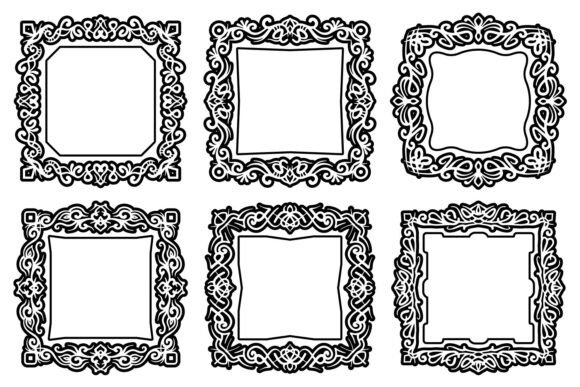
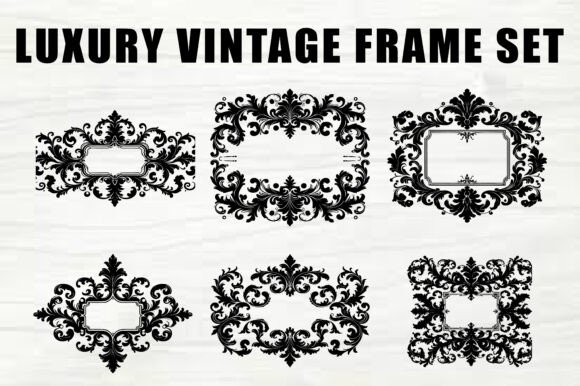
When planning a project that demands a high-end feel—whether it is a wedding invitation suite, a fine dining menu, or a luxury brand identity—the selection of the right framing element is a foundational decision. Royal Ornamental Vintage Borders typically feature intricate scrollwork, floral ornaments, and Baroque-inspired details that evoke a sense of history and exclusivity. By incorporating these elements early in the creative process, you set a visual standard that influences typography choices, color palettes, and overall layout dynamics.
Strategic Asset Selection and File Preparation
The utility of any design asset lies in its versatility and technical quality. A comprehensive collection of Royal Ornamental Vintage Borders should provide multiple file formats to ensure seamless integration across various software environments. Typically, a robust package includes EPS, SVG, PNG, and JPG files. Each format serves a distinct purpose within a professional workflow.
For vector-based workflows in applications like Adobe Illustrator or CorelDRAW, the EPS and SVG files are indispensable. These formats allow for infinite scalability without loss of resolution, which is crucial when adapting a border for anything from a small business card to a large event poster. Vector files also enable you to modify the stroke weight, change colors to match specific brand guidelines, or even isolate specific flourishes to create custom monograms. This level of editability is essential for maintaining consistency across different media types.
Conversely, the PNG and JPG files cater to raster-based workflows found in Adobe Photoshop, Canva, or web design platforms. High-resolution PNGs with transparent backgrounds are particularly valuable for layering. They allow you to place a vintage frame over a textured paper background or a photograph without the awkward white box that often accompanies lower-quality images. Having access to both vector and raster formats ensures that you are never bottlenecked by technical limitations, allowing you to move swiftly from the conceptual phase to execution.
Application Across Diverse Creative Projects
The application of Royal Ornamental Vintage Borders extends far beyond simple decoration. In a professional context, these borders act as containers that organize information and elevate the perceived value of the content they hold. Here is how these assets fit into specific project lifecycles:
- Wedding Invitations and Stationery: In the wedding industry, the invitation sets the expectation for the event. Using an ornate, Victorian-style frame immediately signals a formal, traditional, or black-tie affair. Designers can use these borders to frame the couple's names and event details, ensuring that the typography remains legible while surrounded by elegant flourish. The damask patterns and scroll designs add a tactile quality to the digital proof, helping clients visualize the final printed product.
- Luxury Branding and Logos: For businesses in the hospitality, jewelry, or legal sectors, trust and heritage are paramount. A crest frame or vintage emblem can serve as the backbone of a logo system. By placing a monogram within a royal border, brands can create an instant association with established authority and craftsmanship. This is particularly effective for packaging labels where the "unboxing" experience relies heavily on visual cues of quality.
- Fine Dining Menus and Restaurant Collateral: A menu is not just a list of food; it is a marketing tool. An antique border around a menu item or the header of a section can justify premium pricing by enhancing the presentation. The psychological impact of a Baroque frame suggests that the culinary experience inside is equally refined. These borders work well on both physical printed menus and digital PDFs viewed on tablets.
- Event Posters and Flyers: For galas, opera nights, or charity balls, the promotional material must stand out in a crowded social feed or on a community bulletin board. A detailed vector border draws the eye inward, focusing attention on the date, time, and venue. The contrast between the intricate black-and-white frame and a bold, modern font can create a striking "neo-vintage" aesthetic that appeals to contemporary audiences while honoring tradition.
Workflow Integration and Technical Compatibility
Successfully implementing Royal Ornamental Vintage Borders requires a smooth workflow that minimizes friction between idea and output. Before beginning the design phase, it is advisable to organize your asset library. Categorize borders by style (e.g., Art Nouveau, Victorian, Baroque) and complexity. This preparation saves significant time during the brainstorming session, allowing you to quickly pull up a "light floral ornament" versus a "heavy scrollwork frame" depending on the density of your text content.
Compatibility is another critical factor. When working with vector files (EPS/SVG), ensure your software version supports the specific features used in the file creation. While most modern design suites handle these standards well, occasional issues with gradient meshes or complex clipping paths can arise. It is best practice to open the vector file first, simplify any unnecessary anchor points if the design allows, and then save a working copy. This prevents corruption of the original master file and ensures that the border renders correctly when sent to a print vendor.
For raster workflows, resolution is king. Always verify that the PNG or JPG files provided are at least 300 DPI if the end goal is print. Using a low-resolution web image for a physical invitation will result in pixelation that undermines the "luxury" promise of the design. If you are designing for web use, optimize the file size to ensure fast loading times without sacrificing the crispness of the fine lines in the scrollwork.
Maintaining Aesthetic Consistency and Quality Control
One of the common pitfalls in using decorative elements is over-designing. The goal of a Royal Ornamental Vintage Border is to enhance the content, not overpower it. During the review phase of your project, apply a strict quality control check. Does the border compete with the headline? Is there enough negative space inside the frame for the text to breathe?
Consistency is key when these borders are used across a suite of materials. If you choose a specific floral motif for the wedding invitation, that same motif—or a complementary variation from the same set—should appear on the thank-you cards, table numbers, and signage. This creates a cohesive visual language that reinforces the brand or event theme. Mixing disparate styles, such as a heavy Victorian frame with a light Art Deco border, can create visual dissonance that confuses the audience.
Furthermore, consider the interaction between the border and the background. A black frame art piece looks stunning on cream or off-white paper, mimicking the look of antique engravings. However, if you are designing for a dark mode website or a black cardstock, you may need to invert the colors of the vector file or utilize a gold foil effect simulation. The flexibility of the included file formats allows for these adjustments, but they must be planned for during the pre-press or development stage.
Long-Term Value and Versatility
Investing in a high-quality set of Royal Ornamental Vintage Borders offers long-term value for freelancers and agencies. Unlike trend-specific graphics that may look dated in a year, classical designs possess a timeless quality. A well-executed damask pattern or calligraphic frame can be repurposed across years of different projects, from holiday greeting cards to corporate annual reports.
Moreover, these assets facilitate faster turnaround times. Instead of drawing complex scrollwork from scratch—a task that requires advanced illustration skills and significant time—you can deploy a pre-made, professionally crafted border and focus your energy on customization and layout. This efficiency translates directly to better profitability for service providers and quicker time-to-market for product launches.
In conclusion, Royal Ornamental Vintage Borders are more than just static images; they are versatile components of a sophisticated design toolkit. By understanding their technical specifications, organizing them effectively, and applying them with a keen eye for balance and consistency, creators can elevate their projects from ordinary to extraordinary. Whether framing a luxury label or defining the edges of a formal invitation, these ornate embellishments provide the structural elegance necessary to communicate quality and tradition in a modern world.