Transforming Spaces with Elegant Ornamental Laser Cut Panels: A Guide to Precision Design
In the realm of modern interior design and architectural innovation, few elements blend functionality with artistic expression as seamlessly as ornamental laser cut panels. These versatile decorative screens have transcended their traditional roots in wrought iron style to become a cornerstone of contemporary luxury decor. Whether you are an architect designing a commercial facade, an interior decorator seeking to add depth to a living room, or a DIY enthusiast looking to personalize home decor, understanding the potential of these intricate patterns is essential. This guide explores the craftsmanship, materials, and applications of laser-cut and CNC-designed panels, helping you elevate your space with precision and style.
The Art and Science Behind Laser Cut and CNC Design
At its core, the creation of an ornamental panel is a marriage of digital precision and physical craftsmanship. The process begins with vector art, where designers utilize software to create detailed CNC vectors. These digital blueprints define every curve of a floral engraving or the sharp angles of a geometric art piece. Once the design is finalized, it is sent to a laser cutter or a Computer Numerical Control (CNC) machine.
Laser cutting uses a high-powered laser beam to burn, melt, or vaporize material, resulting in incredibly clean edges and the ability to produce intricate patterns that would be impossible to achieve by hand. Conversely, CNC routing involves a rotating cutting tool that physically carves into the material. Both methods allow for custom engraving and mass production of unique panels without sacrificing the feel of a handcrafted design. This technology has democratized access to luxury craftsmanship, making detailed ornamentation accessible for various budgets and project scales.
Why Choose Ornamental Panels?
The appeal of decorative screens lies in their dual nature. They are not merely static objects; they interact with light, shadow, and space. Here is why they have become a staple in architectural design:
- Visual Depth: The interplay of solid material and negative space creates a dynamic visual effect that changes throughout the day as light shifts.
- Versatility: From MDF cut design for indoor warmth to steel cut design for industrial durability, the material options are vast.
- Privacy and Flow: A stylish partition can divide a large open-plan office or living area without blocking light or air circulation, maintaining a sense of openness while defining zones.
Materials That Define the Aesthetic
The choice of material significantly influences the final look and application of your laser cut design. Understanding the properties of each medium helps in selecting the right panel for your specific needs.
- Wood and MDF: Ideal for interior elegance, wood offers warmth and organic texture. Wood carving via CNC allows for deep relief effects, while Medium-Density Fiberboard (MDF) provides a smooth, uniform surface perfect for painting. These are excellent for wall panels and door panel designs in residential settings.
- Metal and Steel: For those seeking a wrought iron style without the heavy maintenance, metal wall art made from steel or aluminum is durable and striking. Decorative ironwork inspired designs are perfect for exterior facades, gates, and robust decorative dividers.
- Acrylic: Modern and sleek, acrylic cut patterns offer a glossy finish and can be transparent or colored. They are often used in contemporary retail spaces or as artistic compositions that play with light refraction.
Design Motifs: From Vintage to Modern
The beauty of digital cutting is its ability to replicate any style. Whether you prefer the nostalgia of the past or the clean lines of the future, there is a pattern to suit your taste.
Classic and Vintage Patterns
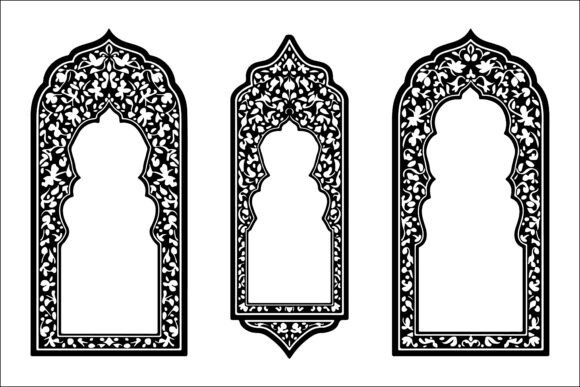
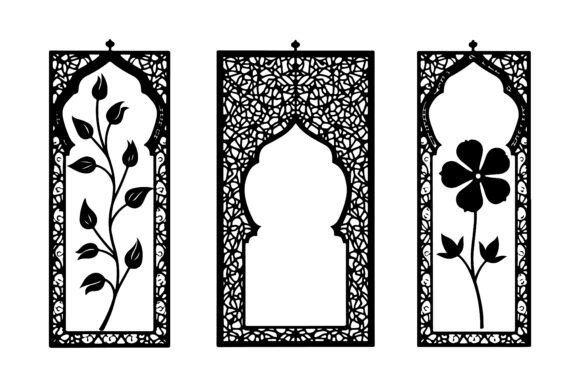
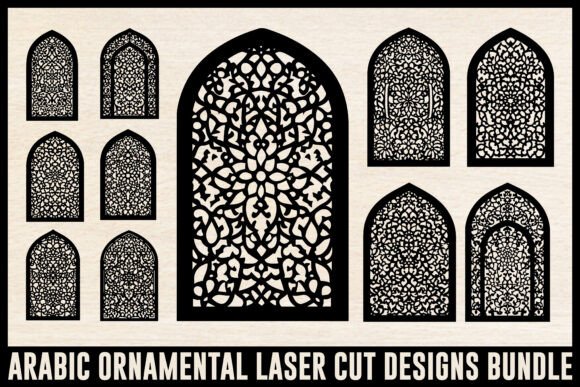
Vintage patterns and classic motifs often draw inspiration from historical art forms. The arabesque pattern, characterized by rhythmic linear patterns of scrolling and interlacing foliage, is a timeless choice for adding a touch of exotic luxury. Similarly, filigree design mimics delicate jewelry work, creating an airy, sophisticated look ideal for decorative frames and ceiling accents. These designs evoke a sense of luxury decor and are often associated with high-end hospitality venues.
Geometric and Modern Art
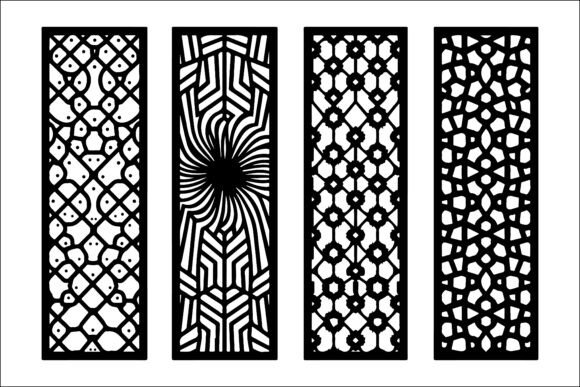
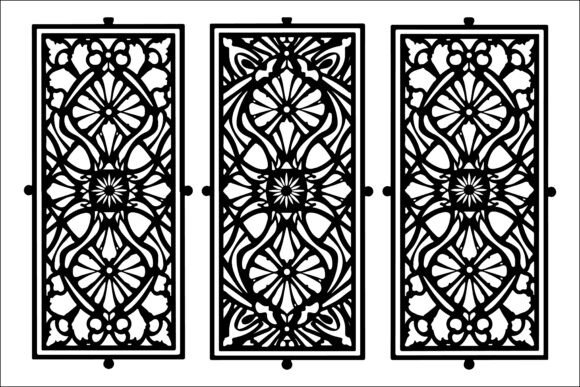
For a more contemporary feel, symmetrical patterns and geometric art provide structure and order. These designs often feature repeating shapes, such as hexagons, triangles, or complex lattice structures. A lattice screen with a modern geometric twist can serve as a stunning backdrop for a television unit or a headboard in a bedroom. The precision of modern engraving ensures that every line is crisp, contributing to a minimalist yet impactful aesthetic.
Floral and Organic Inspirations
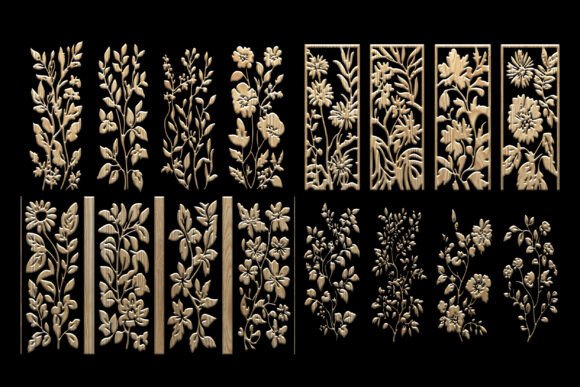
Nature remains a primary source of inspiration. Floral inspired panels bring the outdoors in, softening hard architectural lines. Whether it is a realistic wood engraving of leaves or a stylized floral engraving in metal, these designs add a layer of organic beauty to home decor. They are particularly effective in creating calming environments in spas, yoga studios, or serene living spaces.
Practical Applications in Interior and Architectural Design
Integrating ornamental engraving into your project requires thinking beyond simple decoration. Consider how these panels can solve spatial problems or enhance functionality.
Room Dividers and Partitions: In open-concept homes or offices, a decorative divider can separate the dining area from the living room without building a permanent wall. This maintains visual connectivity while providing distinct functional zones.
Wall Cladding and Feature Walls: Transform a plain wall into a focal point using metal cut design or layered wood panels. Backlighting these wall panels can create dramatic shadows, turning the wall into a piece of decorative art that evolves with the lighting conditions.
Ceiling and Furniture Accents: Do not limit panels to vertical surfaces. Creative carving on ceiling panels can add height and grandeur to a room. Similarly, incorporating laser engraving into cabinet doors, table bases, or chair backs adds a custom, bespoke touch to furniture.
Common Misconceptions About Laser Cut Panels
Despite their popularity, several myths persist regarding CNC design and laser-cut products. Clarifying these can help you make informed decisions.
Myth 1: They are fragile. While some delicate filigree designs may appear fragile, the structural integrity depends on the material thickness and support. Properly installed steel cut design panels are incredibly robust.
Myth 2: They are only for luxury budgets. With the advent of affordable MDF cut design and efficient digital cutting services, ornamental panels are available at various price points. You can achieve a high-end look using cost-effective materials painted to mimic more expensive finishes.
Myth 3: Maintenance is difficult. Most modern materials, including powder-coated metals and sealed woods, are easy to clean. A simple dusting is often sufficient to maintain their interior elegance.
Choosing the Right Panel for Your Project
When selecting your elegant pattern, consider the scale of the space. Large, bold geometric art works well in spacious areas, while finer intricate patterns suit smaller, intimate spaces. Also, think about the view through the panel. If privacy is a concern, choose a denser pattern. If you want to maintain a view while adding texture, opt for a more open lattice screen design.
Furthermore, consider the finish. A matte black metal wall art piece conveys modern sophistication, while a natural wood finish offers warmth and tradition. The key is harmony with your existing interior decor.
Conclusion: Elevating Everyday Spaces
Elegant ornamental laser cut panels are more than just decorative additions; they are tools for shaping experience and atmosphere. By combining luxury craftsmanship with modern technology, these panels offer a unique way to express personal style and architectural intent. Whether you are drawn to the classic motif of an arabesque pattern or the clean lines of modern engraving, there is a design that can transform your environment.
From door panel design to expansive architectural design features, the versatility of CNC vector based creations ensures that your space reflects both beauty and function. Embrace the potential of creative carving and let these unique panels bring a new level of interior elegance to your home or business. With careful selection and thoughtful placement, you can create a lasting impression that celebrates the art of decorative art and precision engineering.