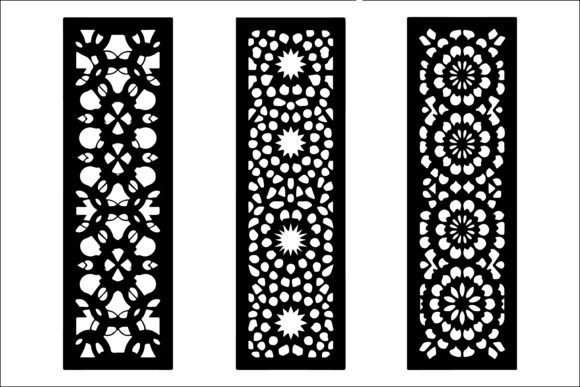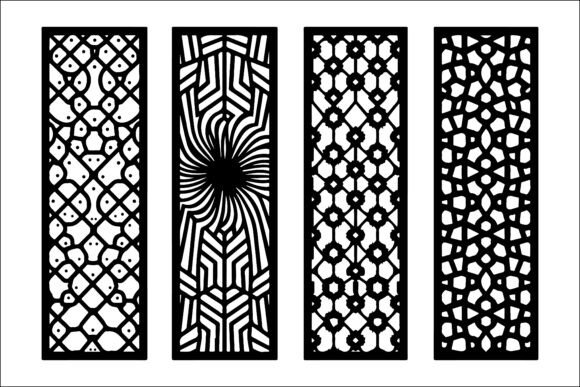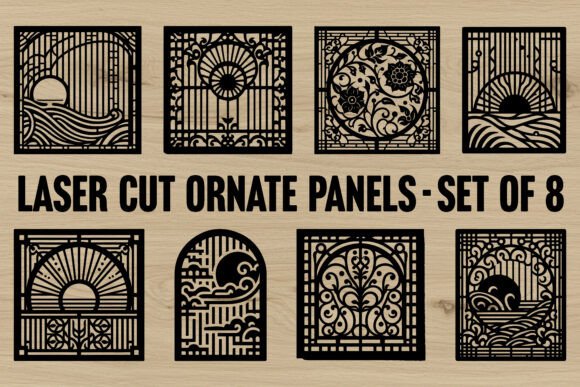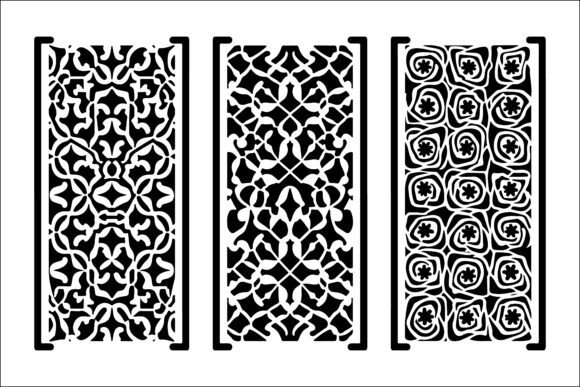
Intricate Laser Cut Panel Designs: Avoiding Common Pitfalls for Flawless Results
The allure of intricate laser cut panel designs lies in their ability to transform ordinary spaces into architectural statements. Whether you are a hobbyist working on a DIY home project or a professional fabricator creating custom architectural panels, the precision of digital fabrication offers endless possibilities. However, the gap between a stunning digital file and a physically viable product is often wider than beginners anticipate. Many enthusiasts rush into cutting without understanding the material constraints or design limitations, leading to wasted resources and frustration.
This guide addresses the common misunderstandings surrounding these decorative screens and wall art pieces. By focusing on practical corrections and smarter decision-making, you can ensure your next project—whether it involves wood carving, metal cut design, or acrylic—meets both aesthetic and structural standards.
Misunderstanding Material Thickness and Kerf Width
One of the most frequent errors in creating perforated patterns is ignoring the relationship between material thickness and the laser’s kerf width. The kerf is the width of the material burned away by the laser beam. In intricate artwork with tight tolerances, failing to account for this can result in parts that do not fit together or patterns that collapse under their own weight.
For instance, when designing a wooden partition or a stylish divider, a pattern that looks delicate on screen may become structurally unsound when cut from 3mm plywood if the connecting bridges are too thin. Conversely, using a design intended for thin acrylic on thick hardwood can cause excessive charring and poor edge quality. Always test your CNC design on scrap material of the exact thickness you intend to use. Adjust your vector paths to compensate for kerf, ensuring that symmetrical art remains balanced and intact after cutting.
Overlooking Structural Integrity in Geometric Patterns
Geometric patterns and abstract geometry are popular choices for modern design interiors. However, beauty should not compromise stability. A common mistake is creating isolated islands within the design—small details that are not connected to the main frame. In laser engraving or cutting, these loose pieces will fall out, ruining the elegant craftsmanship of the final piece.
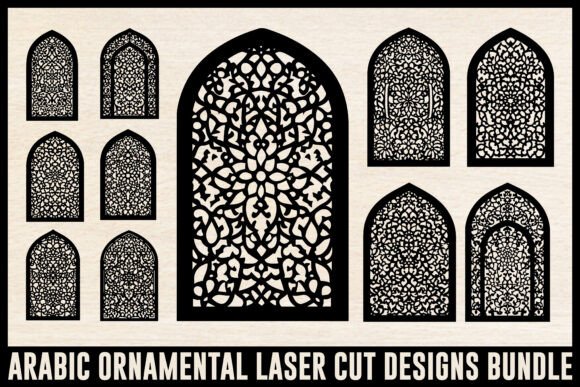
To avoid this, ensure every element of your ornamental design is anchored. If you are creating a room divider or a window screen, consider adding subtle connecting lines or framing elements that maintain the visual flow while providing physical support. This is particularly crucial for Islamic art or arabesque design, where complex interlacing lines must remain continuous. A well-designed stencil design should hold together as a single unit unless intentionally segmented for assembly.
Choosing the Wrong File Format for Precision Cutting
The quality of your output is directly tied to the quality of your input files. Many users download low-resolution images or incorrect formats, expecting them to work seamlessly with a CNC router or laser cutter. Raster images like JPEGs often lack the clean vector paths required for precision cutting. Instead, always prioritize vector formats such as SVG, EPS, or DXF.
When evaluating intricate laser cut panel designs, check for closed paths and smooth curves. A poorly converted PNG to vector can result in jagged edges and unnecessary nodes, slowing down the cutting process and reducing accuracy. For custom engraving projects, ensure that the design layers are properly separated. This allows you to control cutting depth and speed independently for different parts of the panel art, enhancing the overall decor inspiration and finish.
Neglecting Scale and Proportion in Interior Decor
A design that looks impressive on a computer monitor may appear cluttered or insignificant when applied to a large decorative panel. Scaling issues are a frequent oversight in home decor applications. Before committing to a full-size cut, print a section of your unique patterns at 1:1 scale on paper. Tape it to the intended wall or furniture piece to gauge visual impact.
For furniture decor or cabinet doors, overly dense black and white patterns can make the piece feel heavy and dark. Conversely, sparse designs on large architectural panels may look empty. Balance is key. Consider the viewing distance; contemporary art pieces viewed from afar can handle larger motifs, while artistic panels up close benefit from finer intricate designs. This attention to proportion ensures your interior decor enhances rather than overwhelms the space.
Ignoring Post-Processing Requirements
The job isn’t done when the laser stops. Many beginners overlook the necessity of post-processing, which is vital for achieving a professional look. Laser-cut wood often has charred edges, while acrylic may have melted burrs. Failing to plan for sanding, painting, or polishing can detract from the stylish divider or wall art you envisioned.
If you are working with metal stencil or metal cut design, consider the finishing techniques required to prevent rust or enhance shine. For wood, a light sanding or sealant can highlight the natural grain and remove soot. Incorporate these steps into your project timeline and budget. Understanding the full lifecycle of your craft design ensures that the final product reflects the precision cutting capabilities of your equipment.
Best Practices for Selecting and Using Designs
To maximize success with intricate laser cut panel designs, adopt a methodical approach. Start by defining the purpose of the panel. Is it a functional wooden partition requiring durability, or a decorative screen prioritizing aesthetics? This decision influences material choice and design complexity.
- Verify Vector Quality: Ensure files are true vectors with no stray points or open paths.
- Test Cut Small Sections: Validate settings and structural integrity before full production.
- Consider Material Grain: Align geometric patterns with wood grain for added strength and visual appeal.
- Plan for Assembly: If the design is larger than your machine bed, include registration marks for seamless joining.
By avoiding these common pitfalls, you elevate your work from amateur experiments to professional-grade architectural panels. Whether you are creating symmetrical design elements for a commercial space or unique patterns for a personal DIY home project, attention to detail is paramount. Embrace the learning curve, respect the materials, and let the precision of digital fabrication bring your creative vision to life with elegant craftsmanship.