Blue Flower Circle: Art Nouveau Design
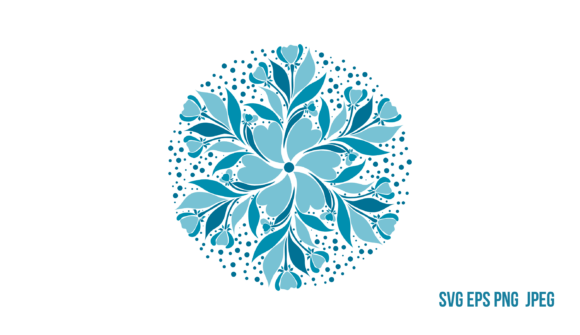
The Blue Flower Circle is more than a simple graphic asset; it is a study in organic harmony, capturing the delicate essence of nature through the lens of Art Nouveau. Inspired by the gentle curves of bluebells and the clustered elegance of lilies of the valley, this pattern utilizes flowing lines to create a sense of perpetual, gentle movement. For designers, decorators, and creators, understanding the nuance of this specific aesthetic can transform a standard project into something that feels both timeless and refreshingly modern.
At its core, the design relies on a sophisticated interplay of turquoise and blue hues. These colors are not merely decorative choices; they evoke a psychological response of calm, clarity, and airiness. When you integrate the Blue Flower Circle into your work, you are leveraging centuries of design theory that associates these organic shapes with growth and tranquility. Whether you are a seasoned graphic designer or a hobbyist looking to add a touch of elegance to a personal project, the versatility of this pattern offers a unique canvas for expression.
Why the Art Nouveau Style Resonates Today
Art Nouveau, characterized by its whiplash curves and inspiration from natural forms, has seen a significant resurgence in contemporary design. The Blue Flower Circle embodies this revival by stripping away the excessive ornamentation of the past while retaining the style’s soul. The result is a cleaner, more adaptable aesthetic that fits seamlessly into modern interiors and digital media.
The "fresh and airy" feel mentioned in the design description is crucial for today’s visual landscape. In an era of digital clutter and minimalist starkness, there is a growing demand for designs that feel human and connected to the natural world. This pattern bridges that gap. It provides the warmth of hand-drawn illustration with the precision required for professional application. For marketers and brand strategists, this means the asset can communicate values of sustainability, wellness, and organic quality without saying a word.
Tailoring the Pattern to Your Audience and Goals
Different users approach the Blue Flower Circle with distinct priorities. Understanding how various groups evaluate and utilize this design can help you determine if it aligns with your specific needs.
For Graphic Designers and Digital Creators
If you are a professional designer, your primary concerns are likely flexibility and quality. The availability of the Blue Flower Circle in SVG, EPS, PNG, and JPEG formats addresses these needs directly. Vector formats like SVG and EPS allow for infinite scalability without loss of resolution, which is essential for large-format printing or responsive web design. You can manipulate the anchor points to adjust the flow of the lines, ensuring the pattern fits perfectly within a logo lockup or a website header.
For digital creators and social media managers, the PNG and JPEG options offer immediate usability. The transparent backgrounds often associated with PNGs allow for easy layering over photographs or textured backgrounds, creating depth in Instagram posts or blog headers. The priority here is speed and visual impact. The turquoise hues perform exceptionally well on screens, standing out against both light and dark modes without causing eye strain.
Interior Decorators and Textile Artists
For those working in physical spaces, the Blue Flower Circle serves as a foundational element for creating atmosphere. Interior designers might use this pattern for wallpaper accents, tile backsplashes, or fabric prints for upholstery. The organic shapes help soften the hard lines of modern architecture, introducing a biophilic element that promotes relaxation.
Textile artists and hobbyists interested in sewing or quilting will appreciate the repeating nature of the circle motif. It can be used to create seamless patterns for curtains, table linens, or clothing. The key consideration here is color fidelity. The specific shades of blue and turquoise must translate well from screen to fabric. High-resolution files ensure that the subtle gradients and line weights remain crisp when printed on cotton, silk, or synthetic blends.
Entrepreneurs and Small Business Owners
Small business owners, particularly those in the wellness, beauty, or eco-friendly sectors, often look for branding elements that convey trust and serenity. The Blue Flower Circle can be integrated into packaging design, business cards, or store signage. Its Art Nouveau roots suggest a level of craftsmanship and attention to detail that can elevate a brand’s perceived value.
For entrepreneurs, the decision often comes down to commercial value and uniqueness. Using a distinct, nature-inspired pattern helps differentiate a brand from competitors who may rely on generic geometric shapes. Furthermore, the versatility of the file formats means the asset can be used across multiple touchpoints, from digital ads to physical product labels, ensuring brand consistency.
Educators and Hobbyists
Educators teaching art history or design principles can use the Blue Flower Circle as a practical example of Art Nouveau characteristics. Students can analyze the flowing lines and organic shapes to understand how historical styles influence modern graphics. For hobbyists, such as scrapbookers or journal enthusiasts, the pattern offers a ready-made decorative element that adds a professional touch to handmade projects. The ease of use—simply downloading and inserting the image—lowers the barrier to entry for those who may not have advanced drawing skills but still desire high-quality visuals.
Practical Applications and Implementation Tips
To get the most out of the Blue Flower Circle, consider the context in which it will be viewed. Here are several practical ways to implement the design effectively:
- Web Design: Use the SVG format for icons or background elements. The lightweight nature of SVGs ensures fast loading times, which is critical for user experience and SEO. The airy blue tones can serve as a calming backdrop for text-heavy pages.
- Print Media: When using the EPS or high-resolution JPEG for brochures or flyers, ensure your color profile is set to CMYK for accurate printing. The turquoise hues may shift slightly in print, so a test print is recommended to verify the desired fresh and airy feel is maintained.
- Social Media Content: Overlay the PNG version on top of lifestyle photography. The organic curves can frame products or text, drawing the viewer’s eye to the focal point without overwhelming the image.
- Home Decor DIY: If you are creating custom wall art, use the high-resolution JPEG to print on canvas or metal. The circular composition works well as a standalone piece or as part of a gallery wall featuring other nature-inspired artworks.
Evaluating Quality and Usability
When assessing whether the Blue Flower Circle is right for your project, consider the balance between aesthetic appeal and technical requirements. For beginners, the pre-made nature of the pattern saves time and eliminates the learning curve associated with creating complex vector illustrations from scratch. For professionals, the clean lines and well-structured layers in the vector files allow for easy customization.
The reliability of the file formats is another crucial factor. Having access to both vector (SVG, EPS) and raster (PNG, JPEG) versions ensures that you are prepared for any medium. This dual availability supports long-term usefulness, as you can repurpose the same asset for different campaigns or projects years down the line without needing to recreate it.
Ultimately, the Blue Flower Circle is a versatile tool that adapts to the user’s intent. It invites you to bring a piece of nature’s harmony into your creative work, whether that work is a digital campaign, a physical product, or a personal expression. By understanding the strengths of the Art Nouveau style and the practical benefits of the available formats, you can make an informed decision that enhances your project’s visual impact and emotional resonance.